
Bison, Boots and the High Plains
/
terry bison ranch
Initially, as we headed north out of Colorado towards Wyoming, the snow capped Rocky Mountains provided beautiful scenery until all of a sudden we were surrounded by the High Plains. It is hard to describe the beauty in the pastel greens and yellows of the rolling hills and large flat grazing lands of the plains. I know others who have said driving across the plains can get boring but I thought there was tremendous beauty all around us.
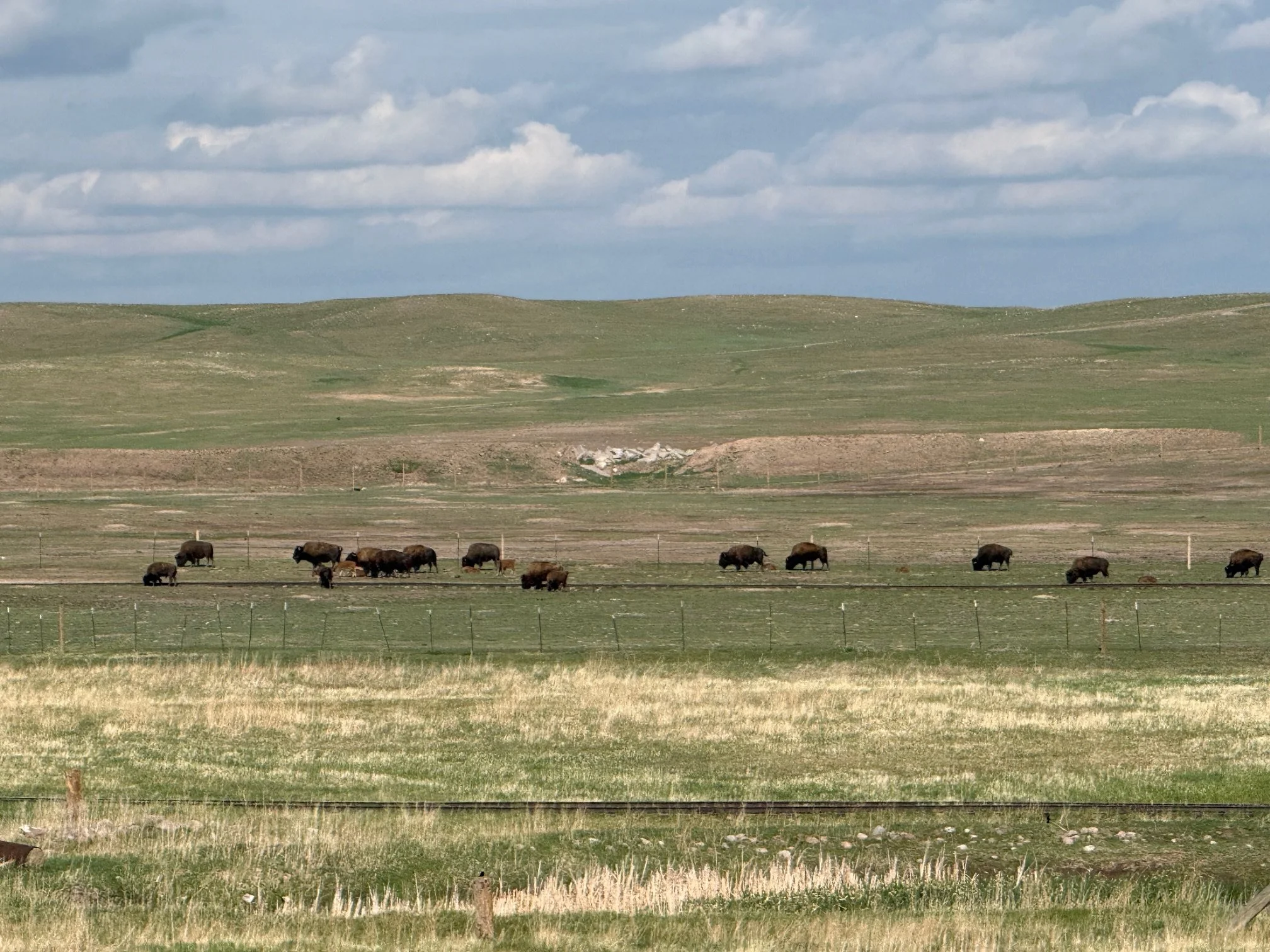
bison getting fed from the tourists
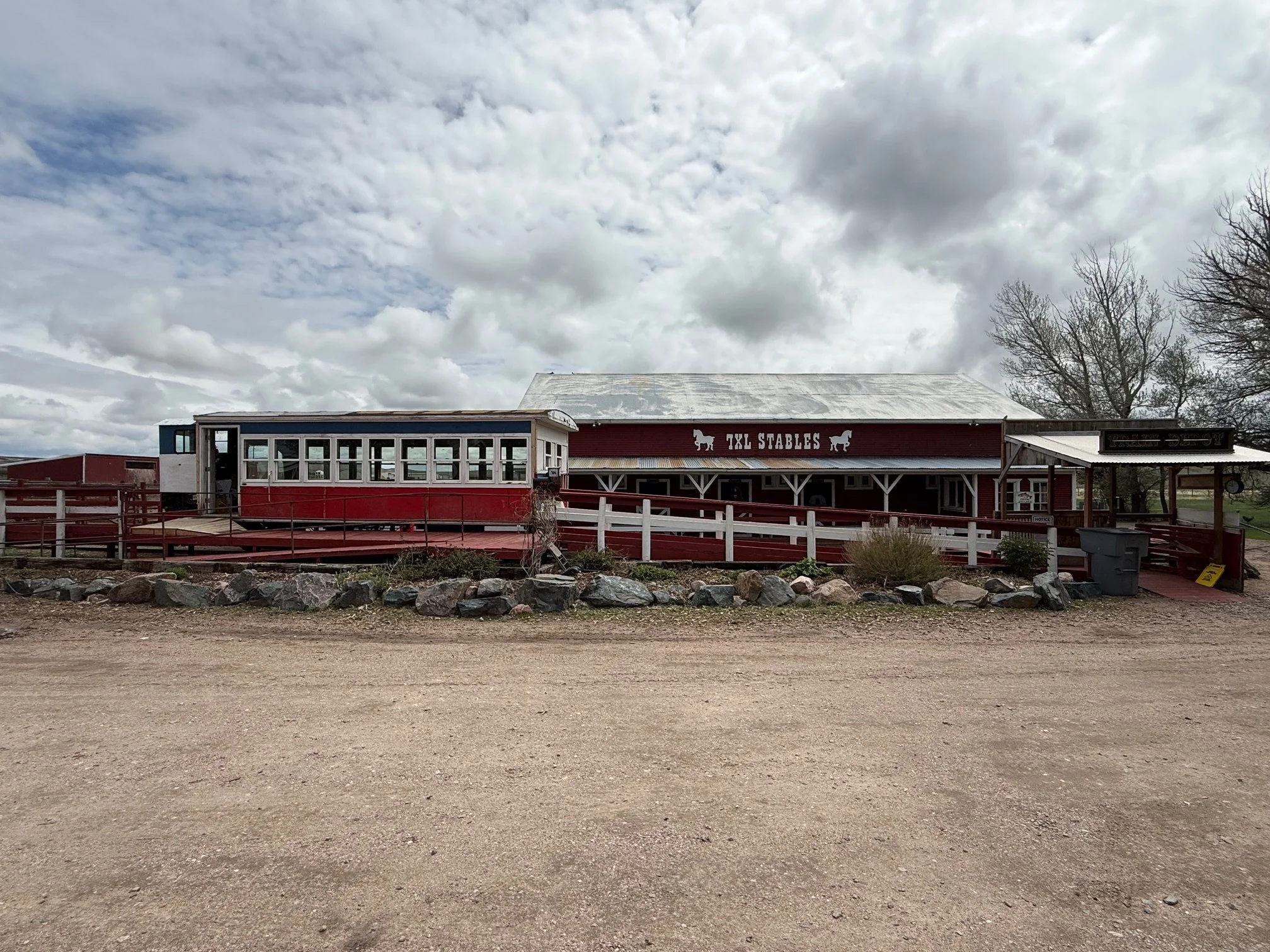
Our first stop in Wyoming was at Terry Bison Ranch located just outside of Cheyenne. I initially planned to stay in the van at the campground on the ranch, but the weather was still a bit chilly so we opted to rent a cabin for our stay. That was probably a good idea because the high temps were in the high 50s to mid 60s and it was in the high 30’s at night. Luckily they had a cabin available for our stay.
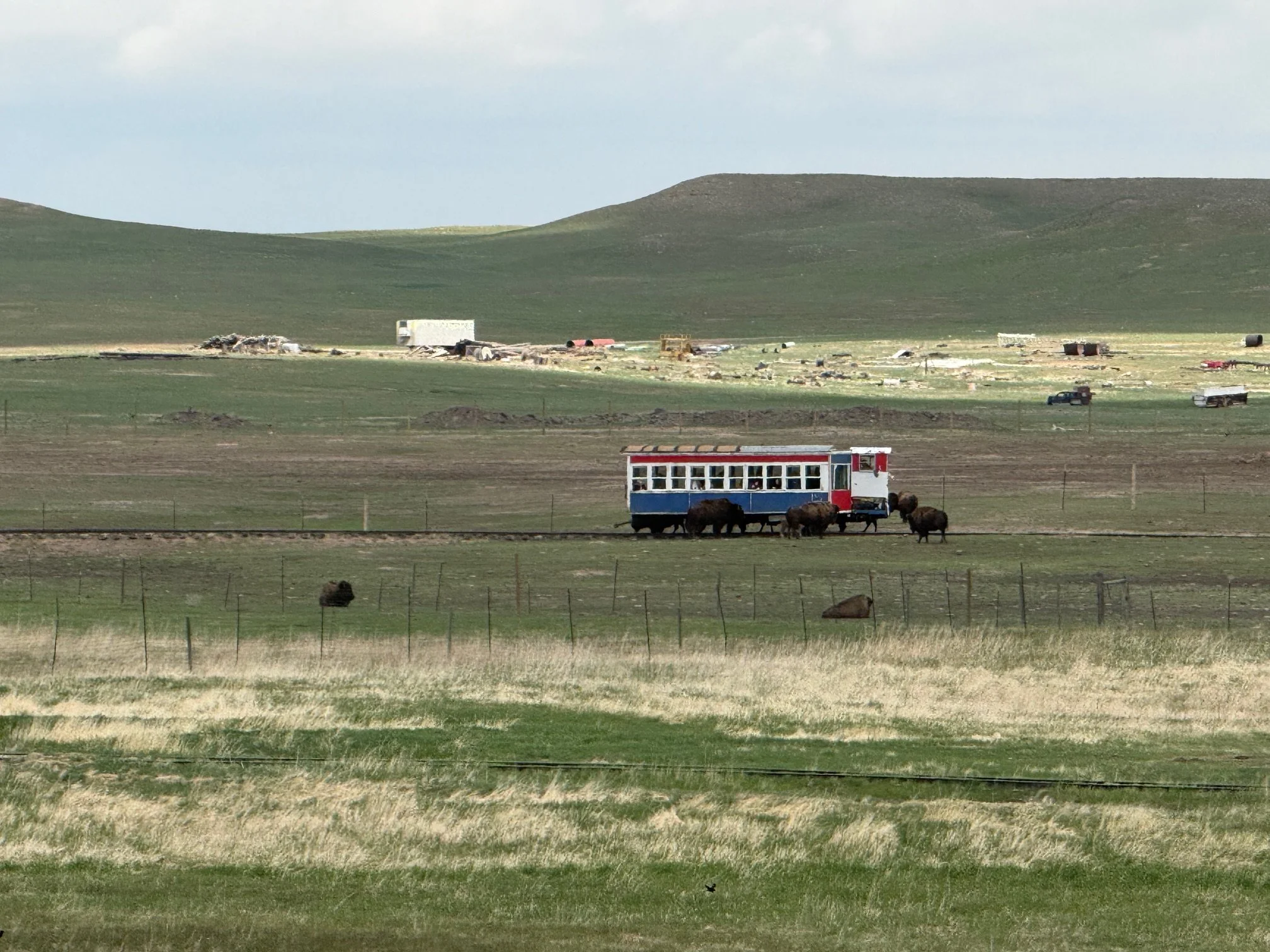
their homemade train
The ranch was a great place to stay. They have a train tour out to the pastures to see and feed the bison. The train was really something - extremely loud and bouncy ride. It was a train they built themselves on used train tracks that they laid. We sat towards the back to have room for the dog and it was a bit hard to hear what the guide was telling us. They told us afterwards that they are replacing the sound system on the train since it wasn’t working. Regardless, I picked up enough to learn a little about the bison.
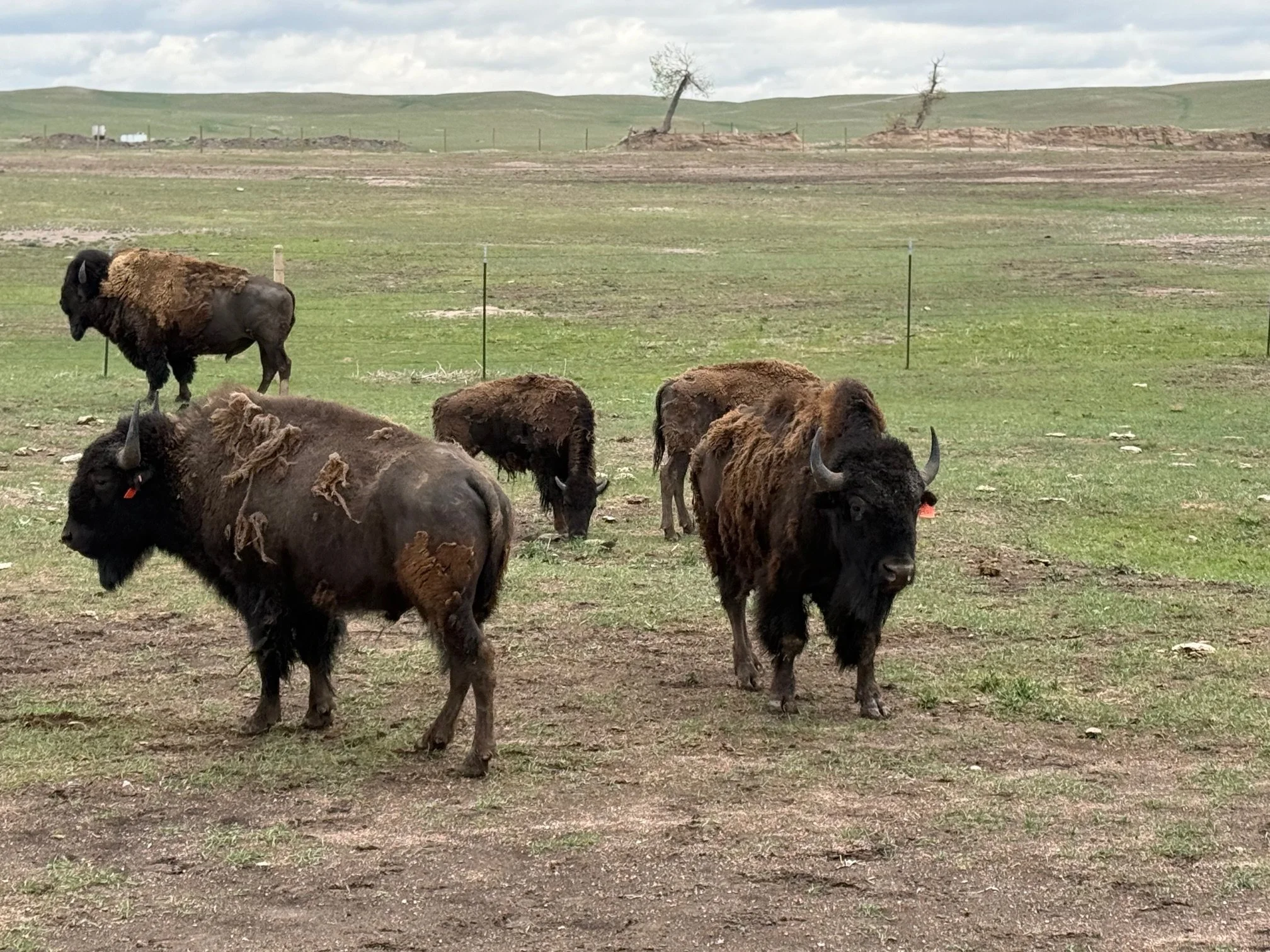
getting close to the bison
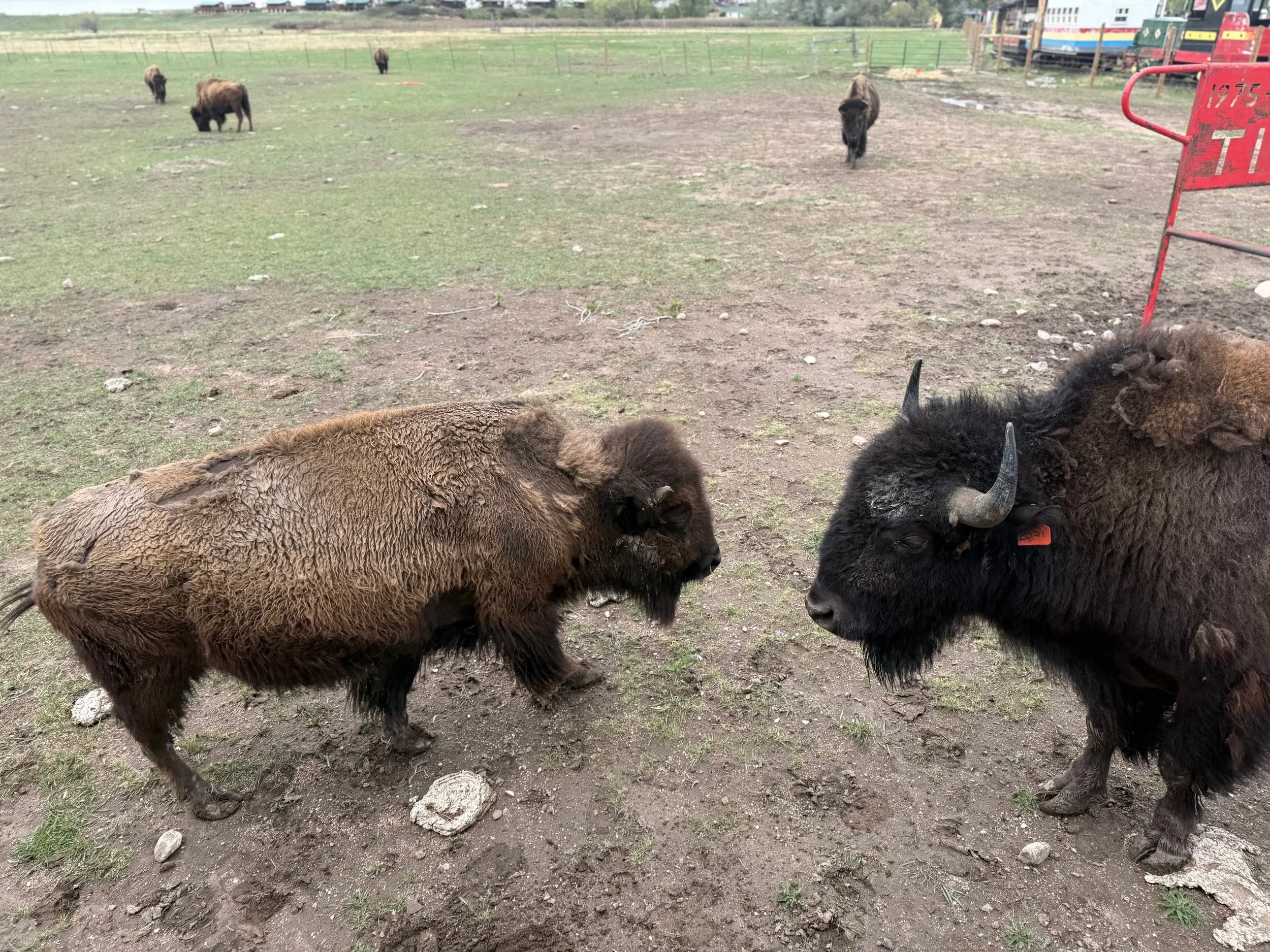
I guess what we grew up calling buffalo are really bison. Bison are related to buffalo which can be found in other continents but not here, such as the water buffalo. The bison on the ranch are somewhat domesticated and approached the train calmly looking to be fed. You just hold out the food and drop it onto their tongues. We enjoyed getting up close and personal with the bison.
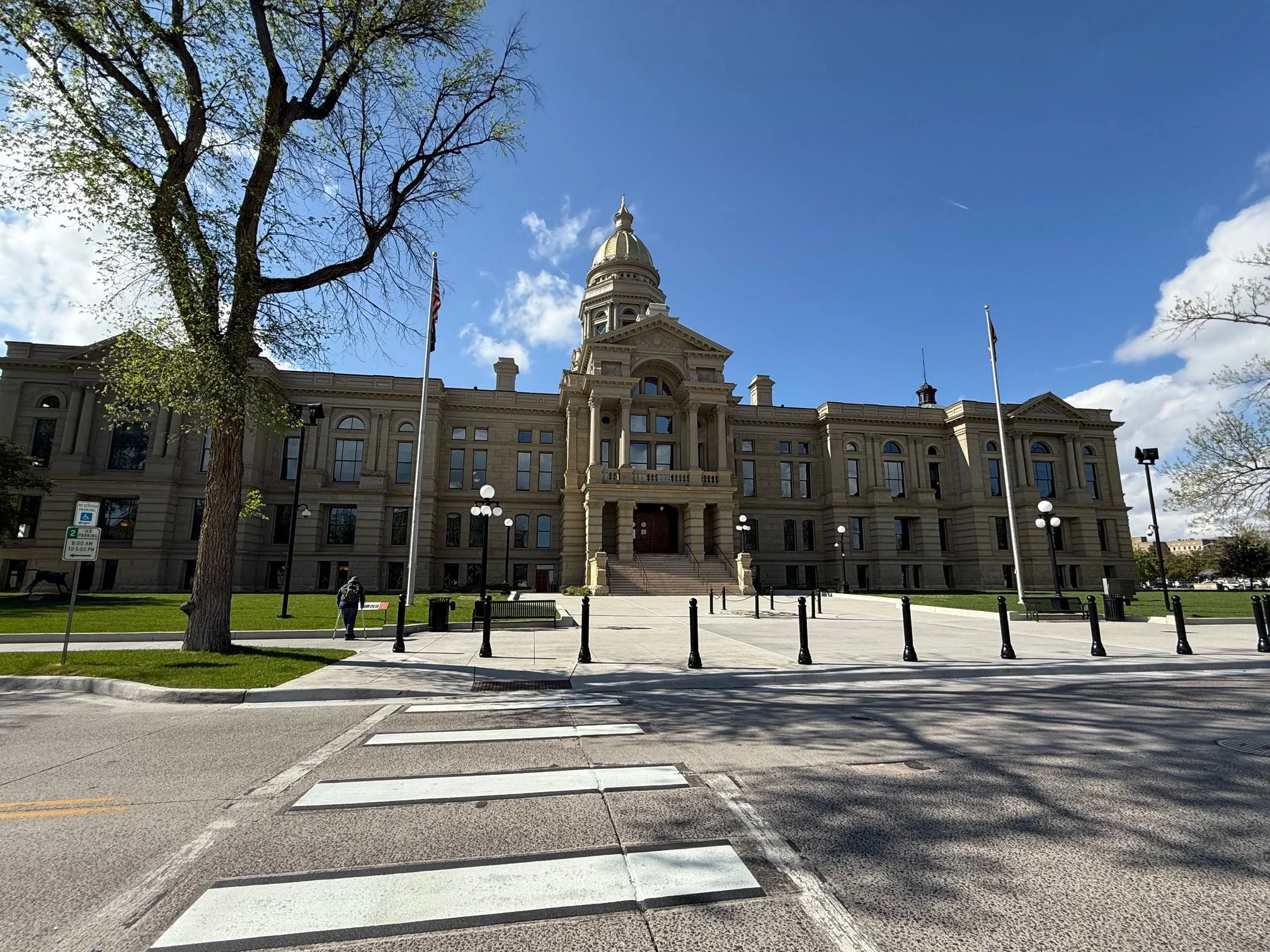
the wyoming state capital building
We also made a few trips into Cheyenne during our stay. Cheyenne is the state capital and there is so much history there, especially regarding the cattle business, the rodeo and the railroads so we had to visit a few of the museums. Our first stop was the Cheyenne Frontier Days Museum which provided the history of this huge rodeo that occurs every July. This year will be the 130th anniversary for this ultimate Wild West experience with the world's largest outdoor rodeo, live music, carnival rides, and more.
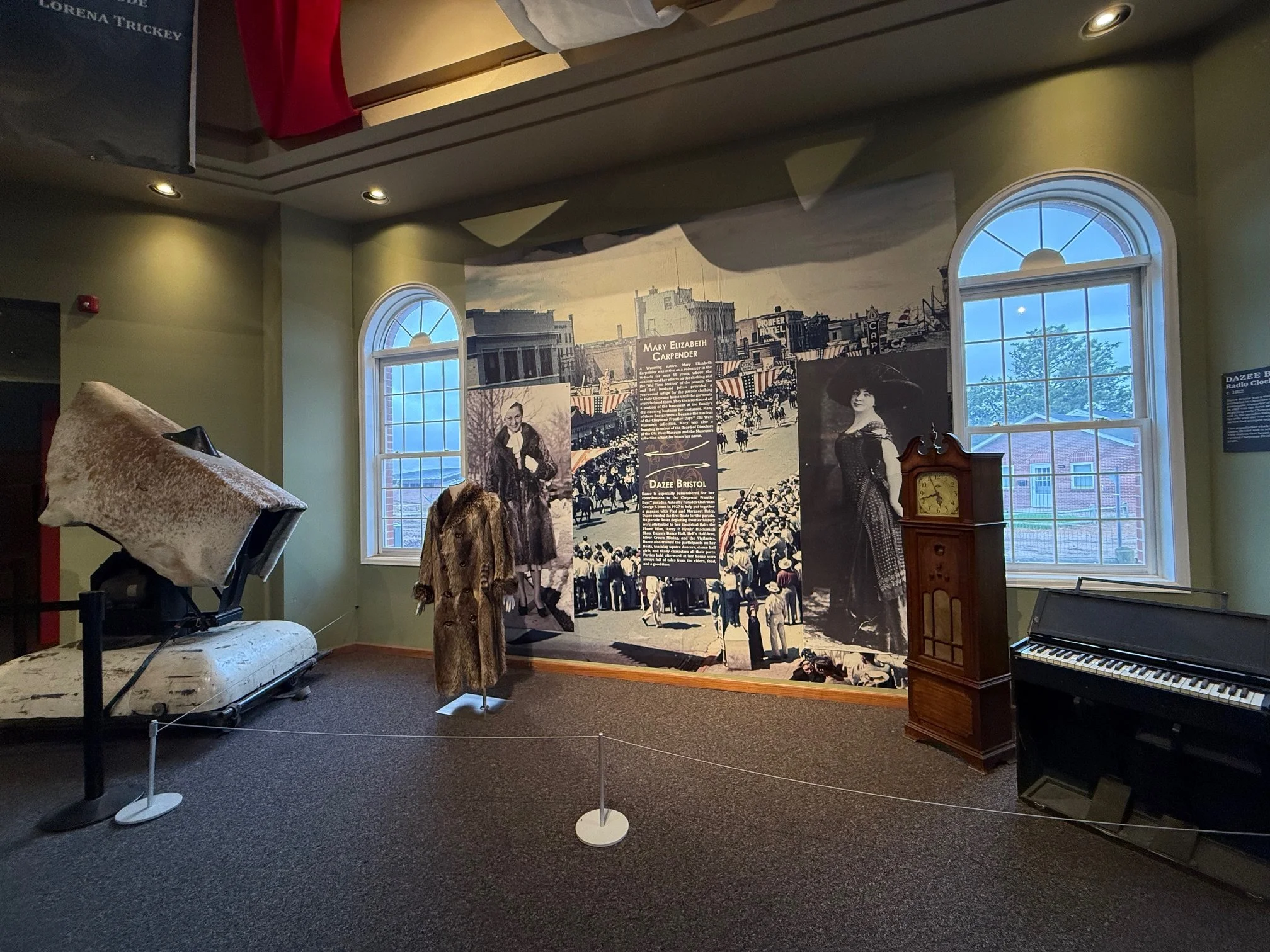
one of the displays at the museum on the ladies who helped establish the cheyenne frontier days celebration.
The museum highlighted many of the rodeo stars over the years as well as the prominent towns people who sponsored the rodeo and the women who organized the celebrations and parades. They focused the parade on transportation over the years and the museum houses a large collection of buggy’s used in the parades.
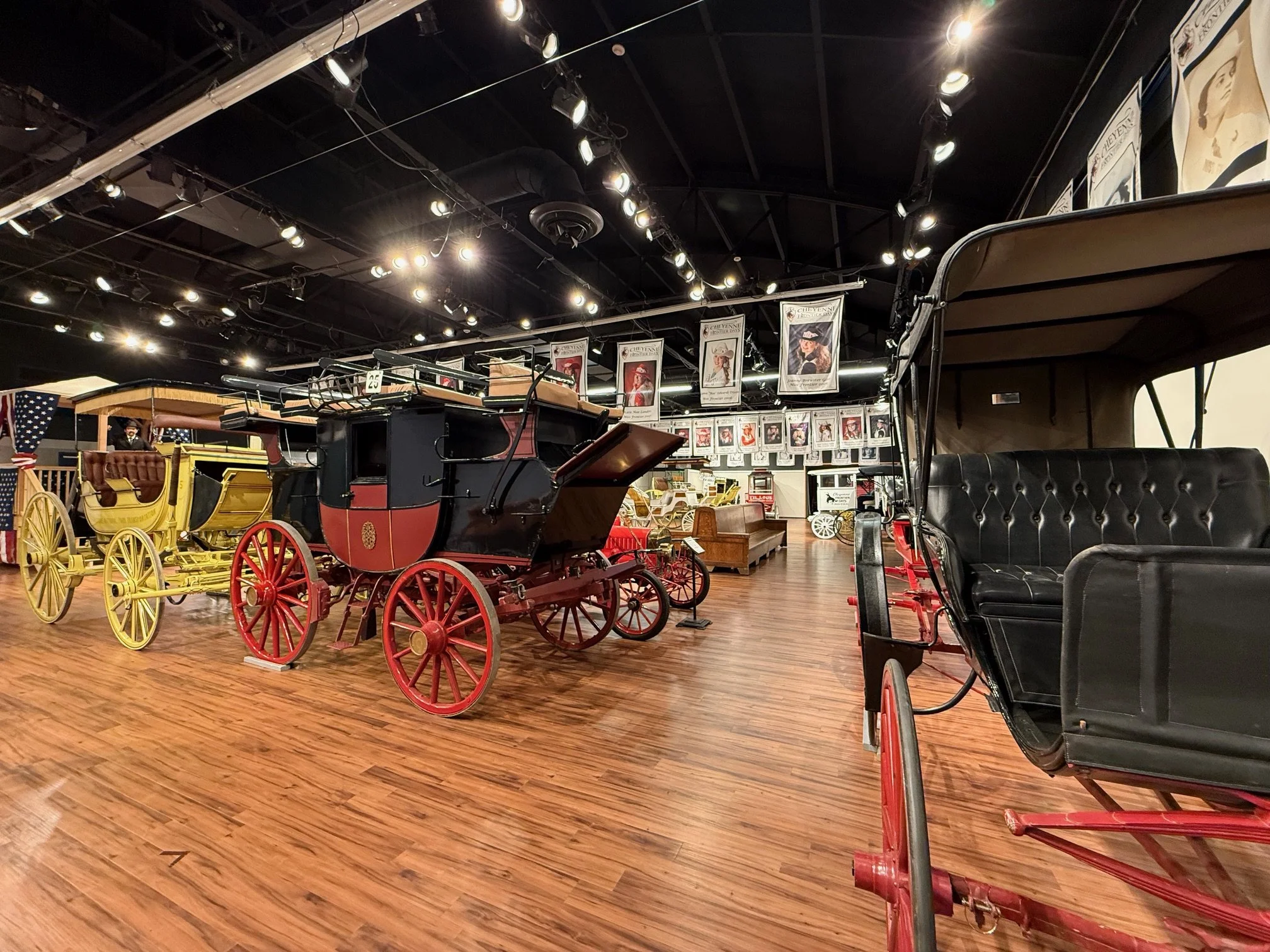
some of the buggy’s used in the parades over the years.
A special exhibit at the museum featured the similarities and relationships between the American Cowboys, Spanish/Mexican Vaqueros, and Hawaiian Paniolo's. All are cowboys - i.e. those who tend to the cattle. The history is very interesting as the first “cowboys” were the Mexican Vaqueros who ranched in Baja California in the late 1700’s. The land owners became wealthy with their beef trade with the British and eventually the Hawaiian islands. In 1793, cattle were gifted to King Kamehameha and horses were gifted in 1803. Eventually Mexican vaqueros were sent to the islands in the 1830’s to teach the native Hawaiians how to herd and manage cattle. What fascinating history; I had no idea the Spanish and British were traveling to and trading with Hawaii in the late 1700’s as our country was just beginning on the east coast. Eventually as we moved westward, the cowboy legacy of the United States grew from the lessons learned from the vaqueros.
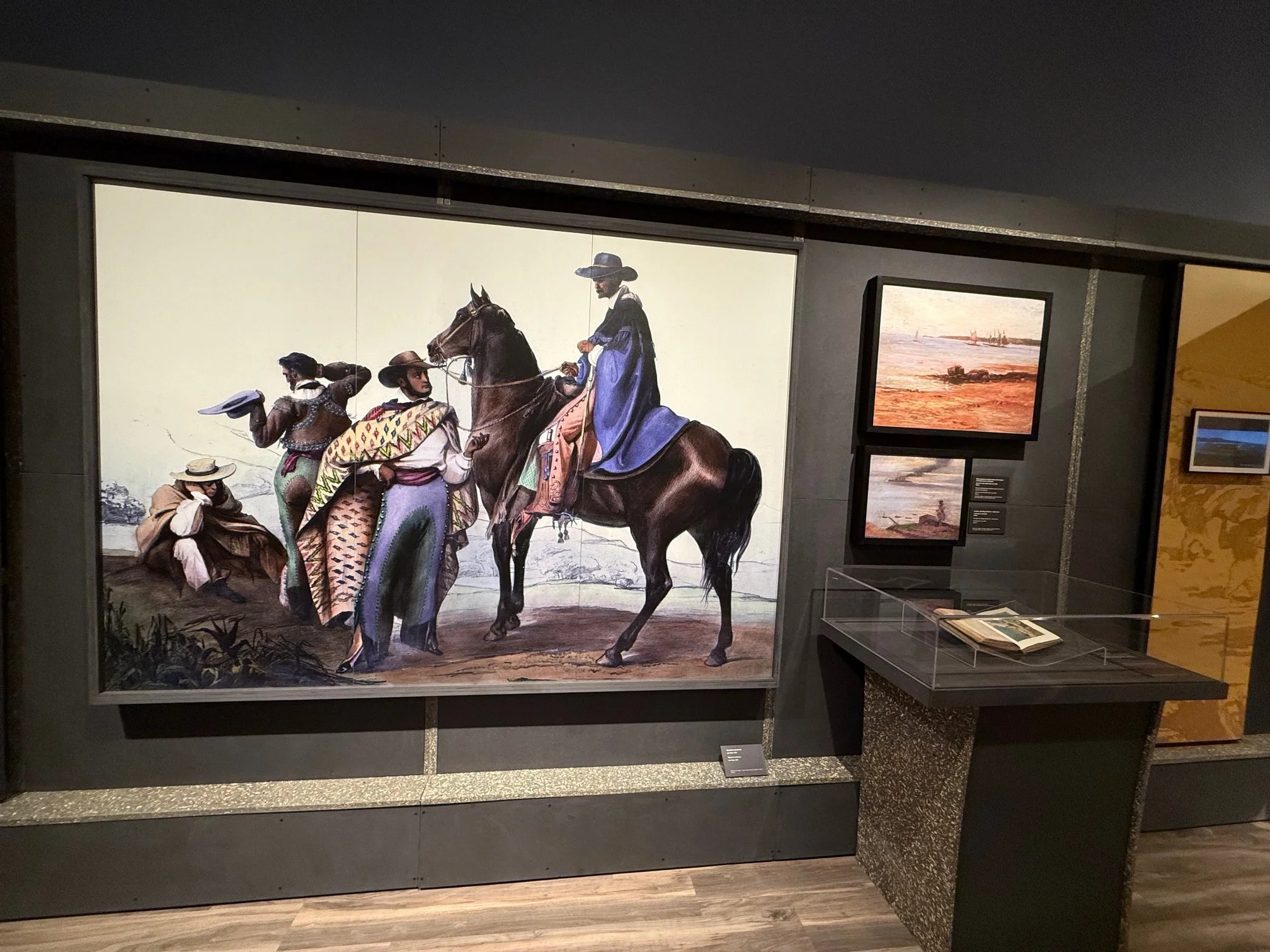
the vaqueros
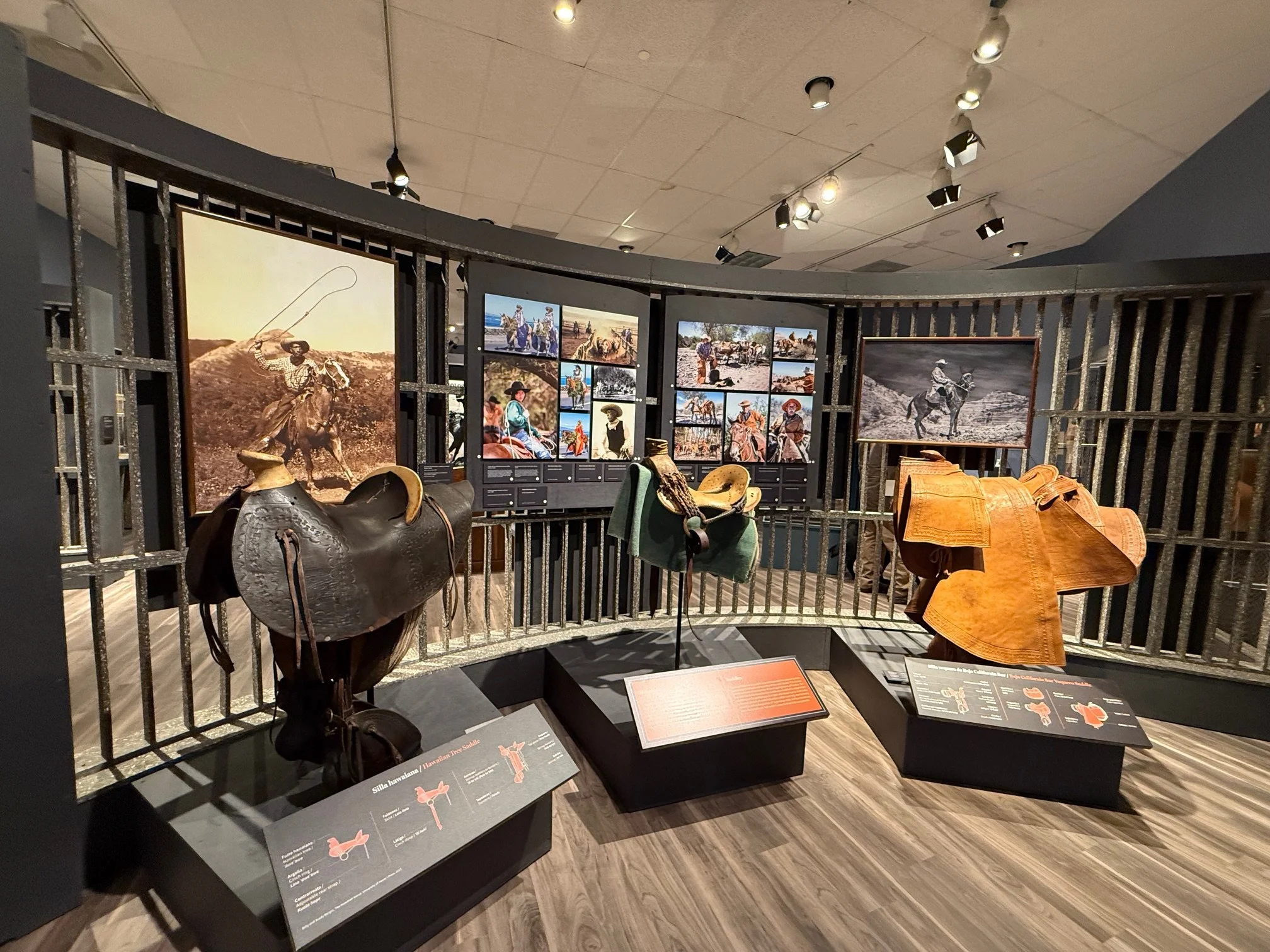
various saddles used by the vaqueros and paniolos
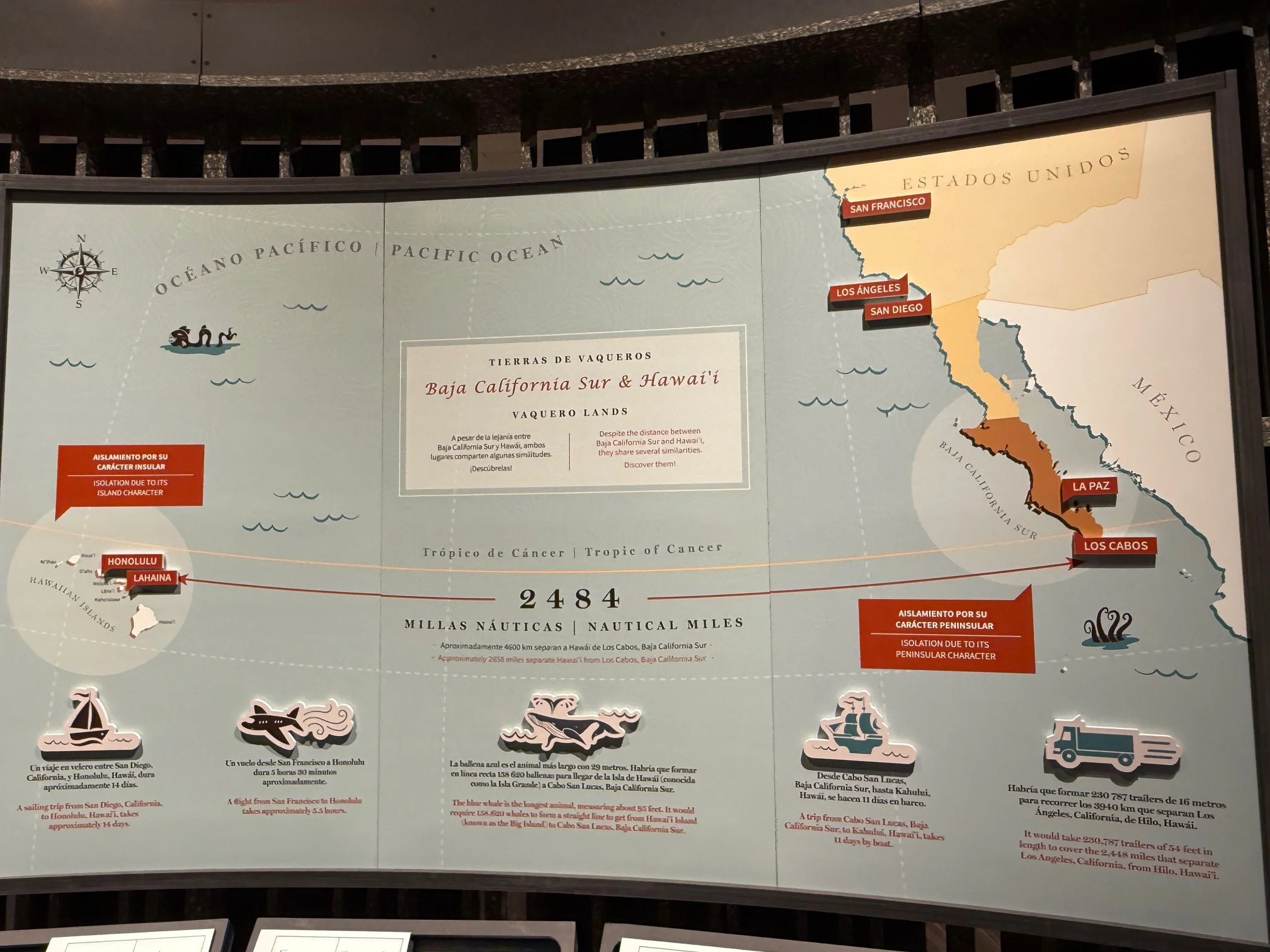
hard to believe that they made this journey in the late 1700’s.
We also visited the old train depot and museum. After seeing that exhibit, I realized that Cheyenne’s development was very similar to Altoona, PA. Both towns grew and developed from the railroad industry being based there. The construction of the Union Pacific Railroad across Wyoming from 1867 to 1868 opened the state to permanent settlement, and Cheyenne was incorporated in the fall of 1867. It quickly developed into a hub for shipping and railroad maintenance. Union Pacific had huge shops in Cheyenne to maintain their trains just like the Pennsylvania Railroad did in Altoona.
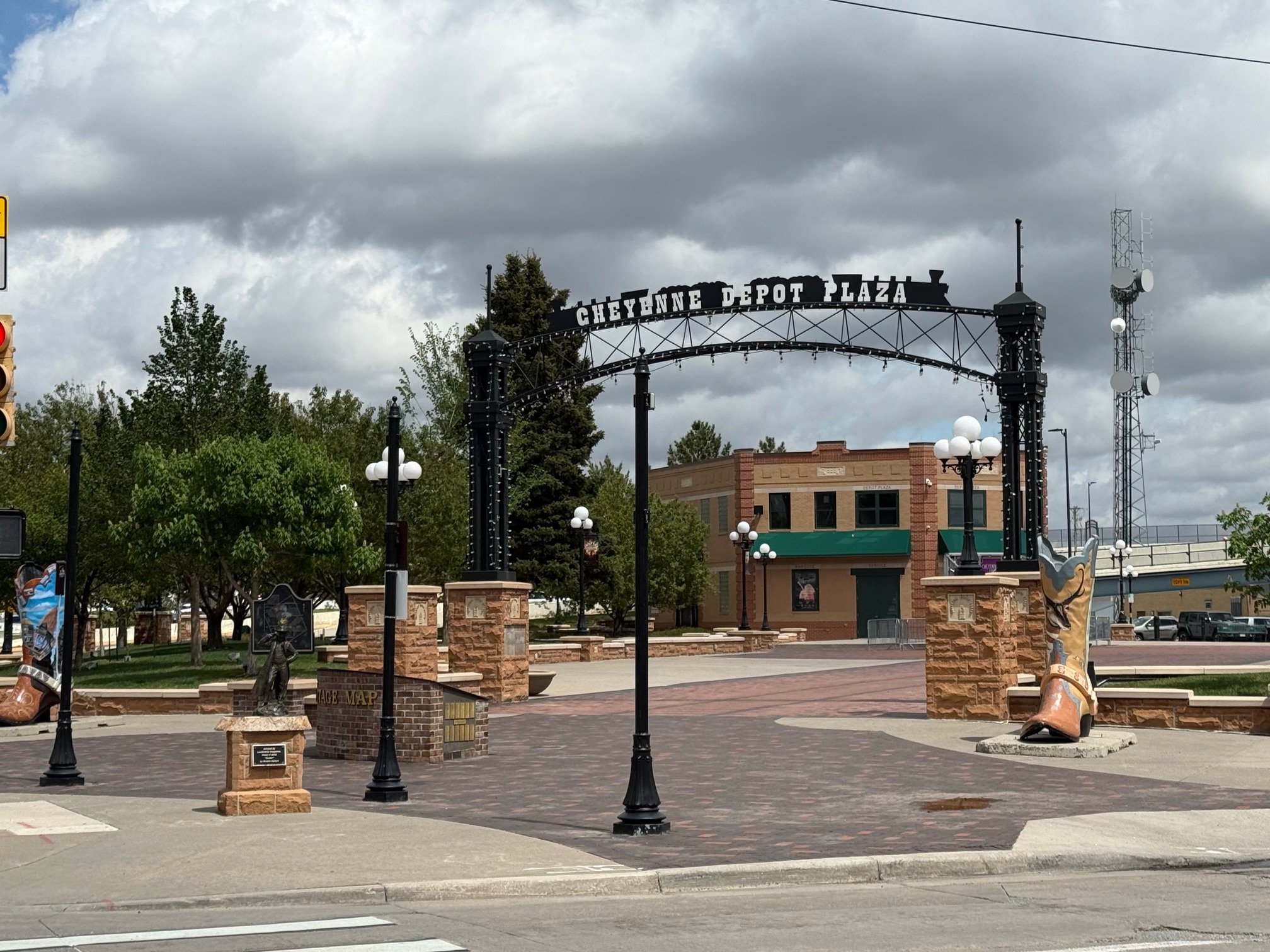
the train depot. Do you love the boots? these boots are scattered throughout town near various businesses.
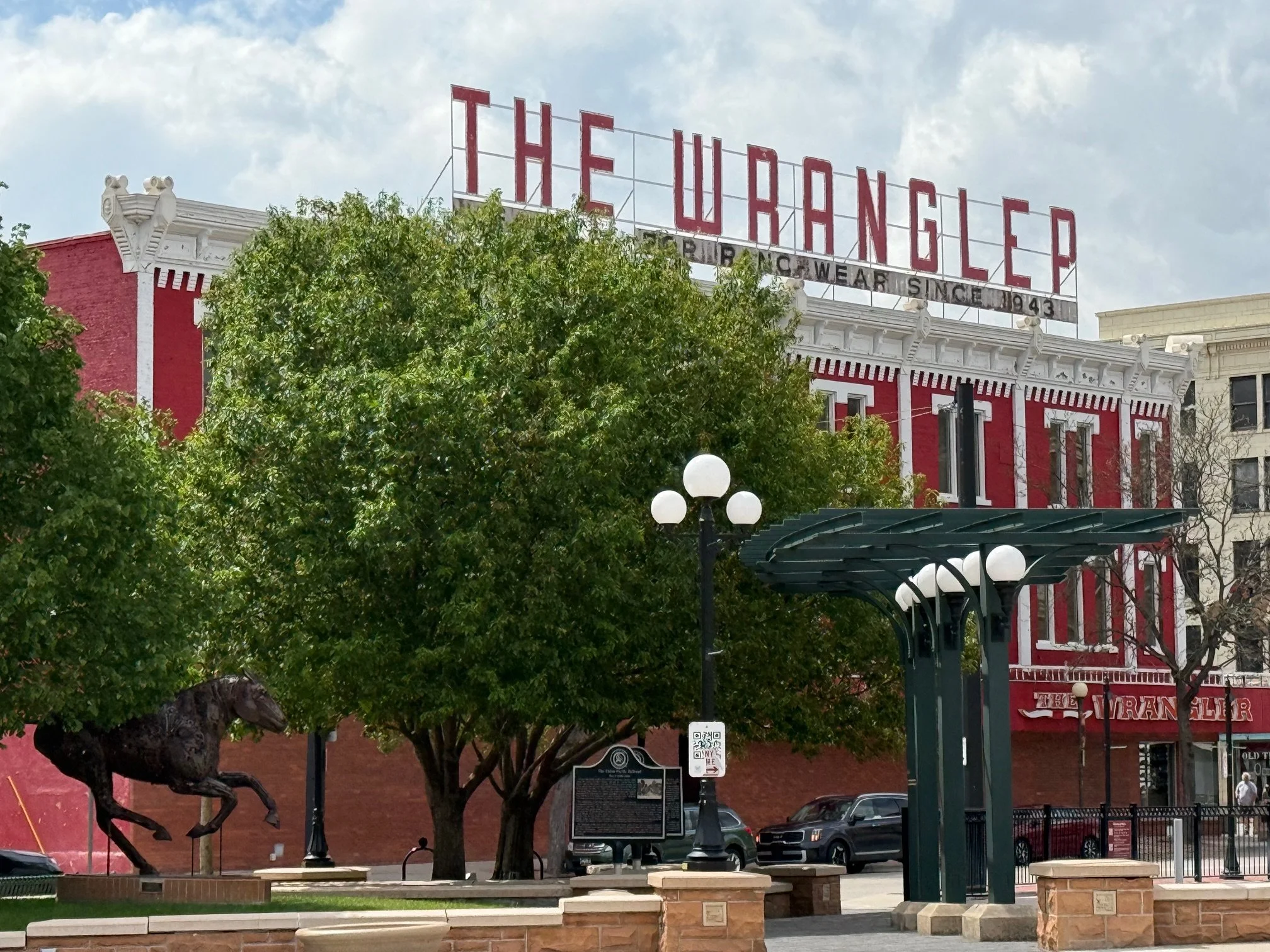
of course, we had to shop at the wrangler - an historic building that now houses the boot barn. of course, I bought a pair of boots for myself..
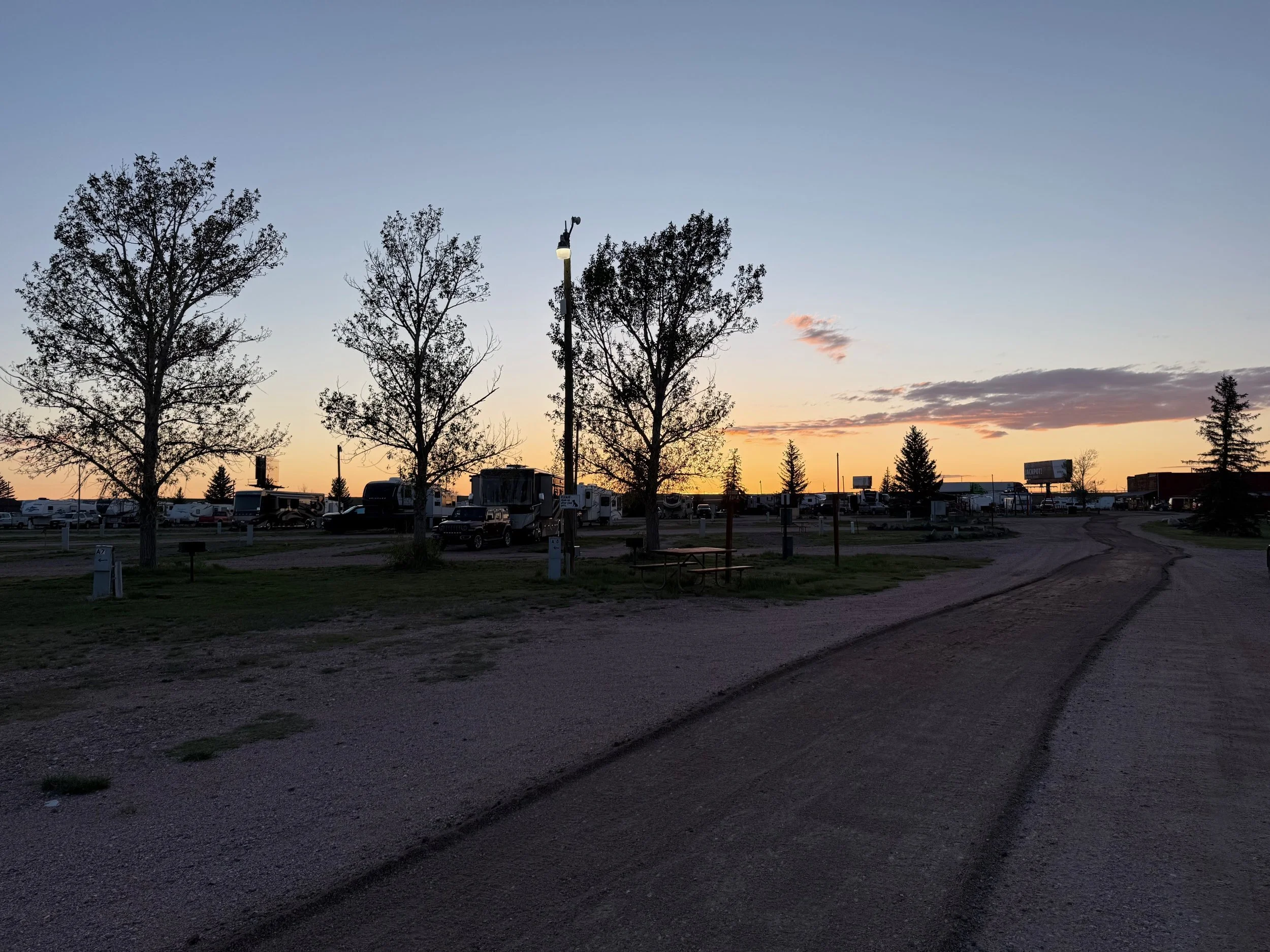
we ended the day and i will end the post with the sunset at the campground. we highley enjoyed our stay at the bison ranch in cheyenne, wy!
